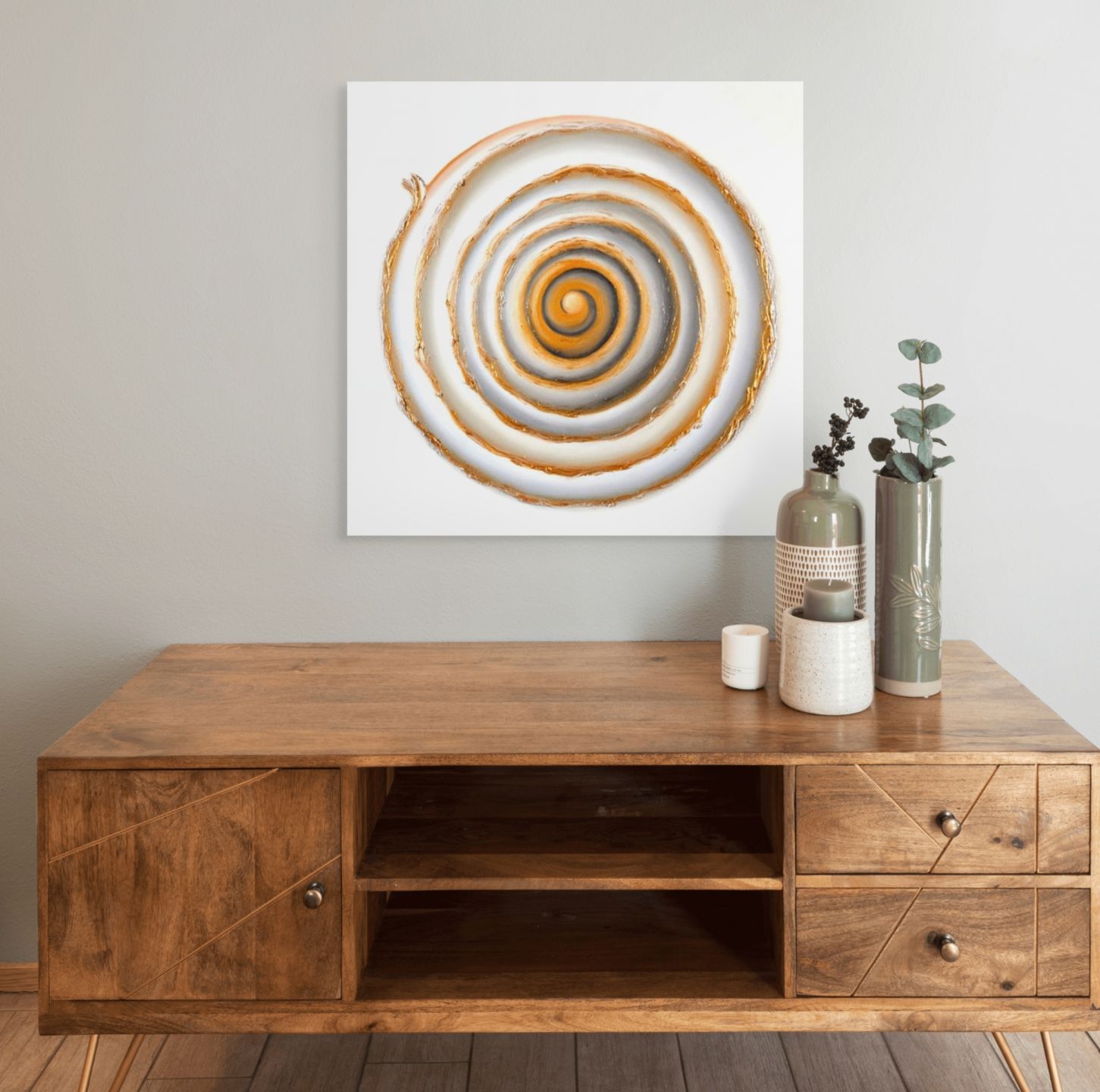
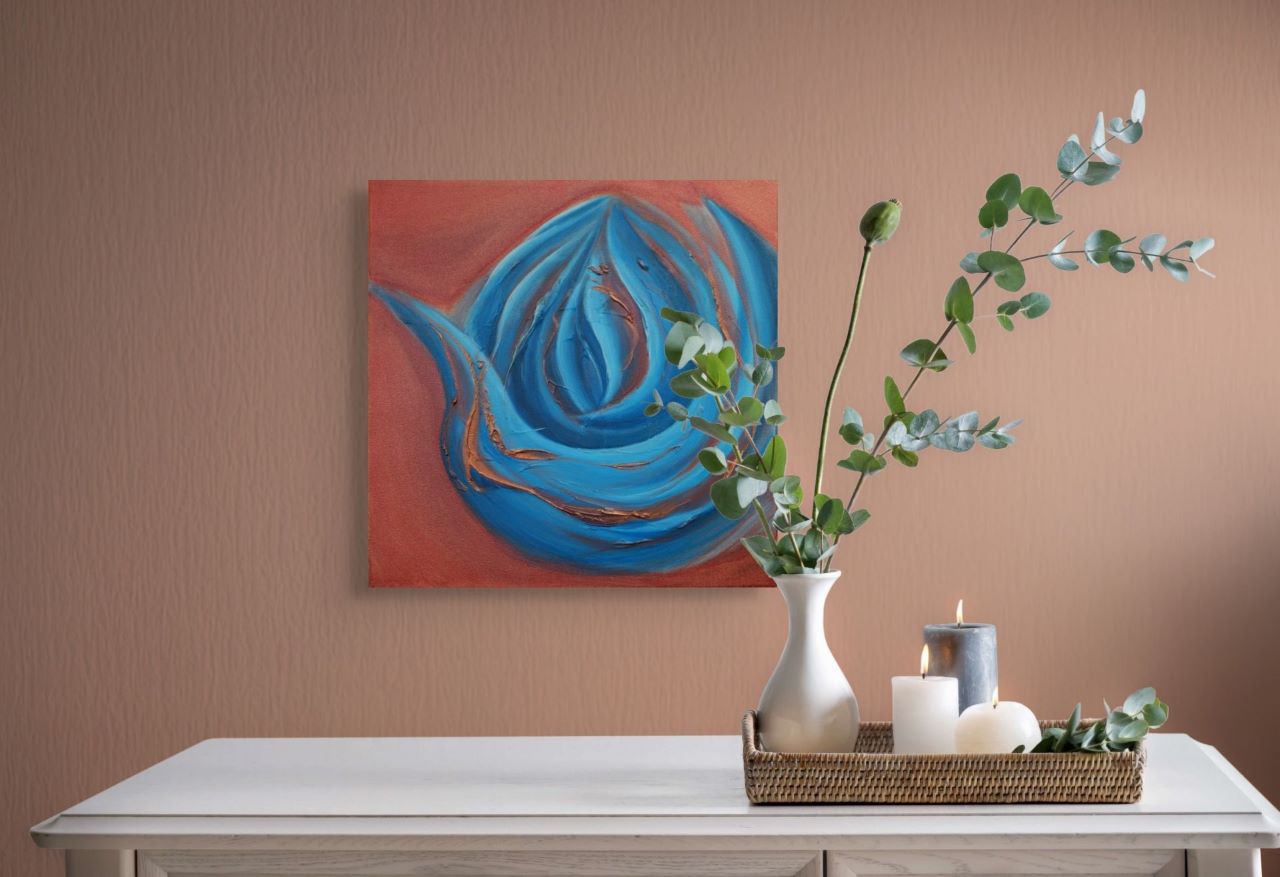
The depiction of flowers is one of the oldest and most deeply rooted themes in visual art. At first glance, it may seem decorative, light, or romantic, yet in reality it is an exceptionally complex and sensitive field. A floral painting does not merely represent a plant. It carries mood, time, fragility, life cycles, and often deeply personal emotions. As an artist, floral painting is not about botanical accuracy for me, but about the feeling evoked by the delicate forms of nature. A flower simultaneously embodies beauty and transience, energy and stillness. This duality is what gives the genre its true depth.


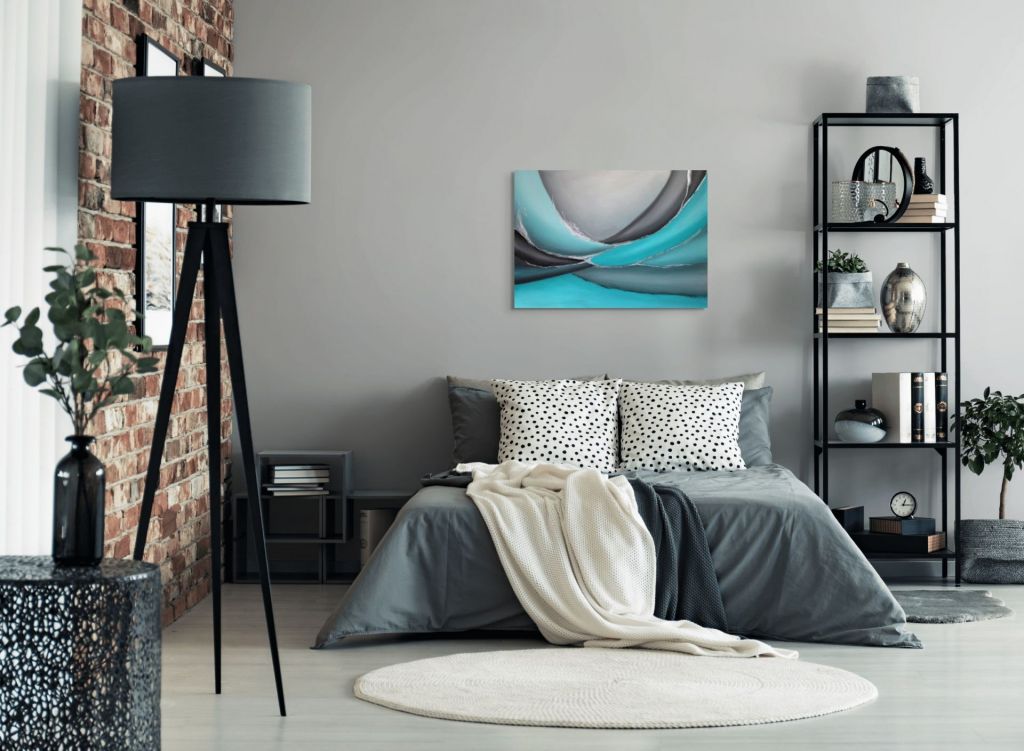
For many people, abstract painting may seem elusive at first. I often encounter the question: “What does an abstract painting actually represent?” or “How should one look at such a piece?” These are completely natural questions. Abstract art does not tell a story in the classical sense — instead, it evokes emotions, atmosphere, and inner responses.

As an artist, abstract painting is one of the most honest forms of expression. It does not seek to direct the viewer or provide ready-made answers. Instead, it leaves space for personal experience, thoughts, and feelings to fill the artwork. For this reason, an abstract painting is not merely a wall decoration in a modern interior — it becomes a defining element of the space’s atmosphere, living in harmony with the environment and the people within it.