Everything You Need to Know About the World of Abstract Painting
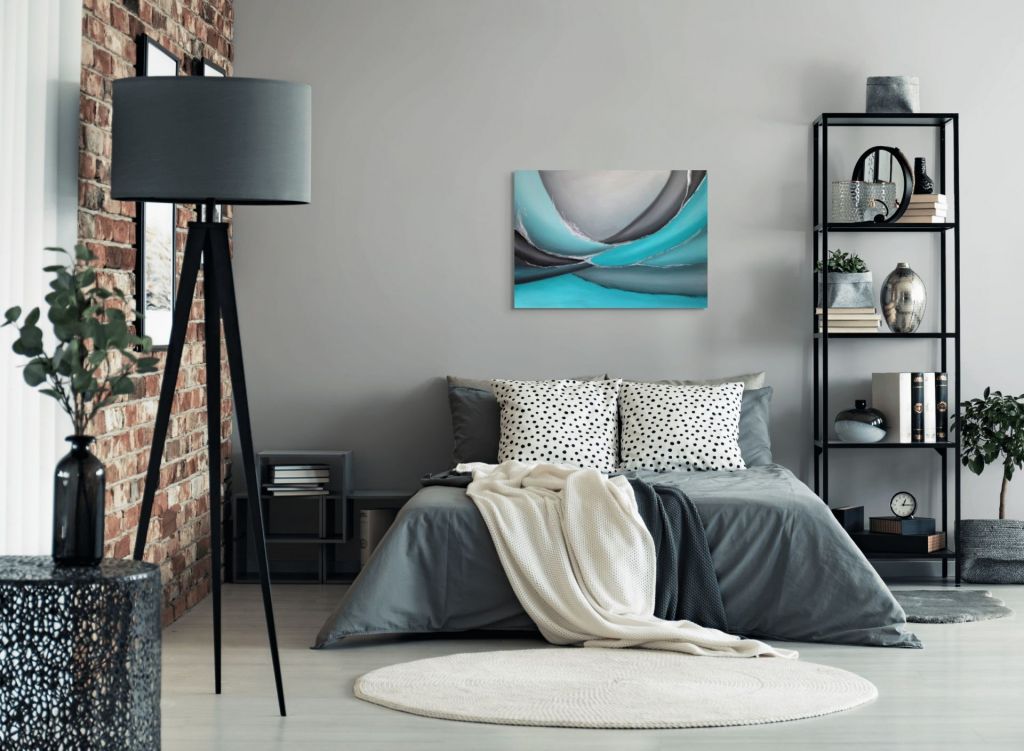
For many people, abstract painting may seem elusive at first. I often encounter the question: “What does an abstract painting actually represent?” or “How should one look at such a piece?” These are completely natural questions. Abstract art does not tell a story in the classical sense — instead, it evokes emotions, atmosphere, and inner responses.
As an artist, abstract painting is one of the most honest forms of expression. It does not seek to direct the viewer or provide ready-made answers. Instead, it leaves space for personal experience, thoughts, and feelings to fill the artwork. For this reason, an abstract painting is not merely a wall decoration in a modern interior — it becomes a defining element of the space’s atmosphere, living in harmony with the environment and the people within it.
What Does Abstract Painting Truly Mean?
The essence of abstract painting lies in its departure from recognizable forms. It does not aim to depict figures, landscapes, or specific objects in a realistic way. Instead, it works with color, line, form, and surface.
An abstract painting does not need to be “interpreted.” Its purpose is to create an impact. Often, this impact operates on a subconscious level. A harmonious color combination radiates calmness. A strong texture brings energy into a space. Subtle layering adds depth.
The strength of abstract art lies simply in its presence and its ability to evoke feeling. This is why I believe we do not need to analyze an abstract painting — we only need to observe and allow it to affect us.
A Brief Historical Perspective – How Abstract Art Was Born
Abstract painting emerged as a distinct movement in the early 20th century. Artists pushing the limits of classical representation increasingly felt that merely depicting reality was no longer sufficient. The world was changing rapidly — and with it, the human inner world.
Abstraction became a response to this transformation. Artists abandoned realistic forms and used the tools of painting to capture the inexpressible: thoughts, emotions, tension, harmony. The canvas became a kind of inner map.
This legacy continues today. Abstract painting is timeless because it is not tied to a single era. It lives on in every space and time, constantly enriched with new meanings.
Why More and More People Choose Abstract Paintings for Their Homes
The clean lines, open spaces, and restrained color palettes of modern homes create an ideal environment for abstract art. These interiors do not require loud visual elements. Instead, they benefit from artworks that subtly respond to their surroundings.
An abstract painting can shape the atmosphere of a room — gently, naturally, and in a balanced way. It does not distract from furniture or functionality. Rather, it connects and emphasizes.
A well-placed piece can visually unify an interior: linking the tone of the walls to the color of the flooring, echoing shades found in textiles, and subtly reacting to changing natural or artificial light. This presence is not loud, yet it is defining.
One of the greatest strengths of abstract art is its ability to cooperate with space. It does not dominate a room — it relates to it. As light changes throughout the day, different details come forward in the painting. This subtle, continuous transformation makes the artwork feel alive.
Many people choose abstract art because they are looking for a timeless solution. Abstract painting is not tied to fleeting interior design trends. It is built on proportion, rhythm, and sensation rather than literal forms.
A well-chosen abstract piece can evolve alongside the space. Even if furniture is rearranged or new colors appear, the painting continues to harmonize with its environment. This timeless quality is what allows abstract art to become a lasting value within a home.
It does not become invisible over time. Instead, it remains rediscoverable — capable of feeling fresh and inspiring even years later.
Choosing abstract art is therefore not merely an aesthetic decision, but a conscious one: an investment in long-term visual quality.
Which Spaces Are Best Suited for Abstract Paintings?
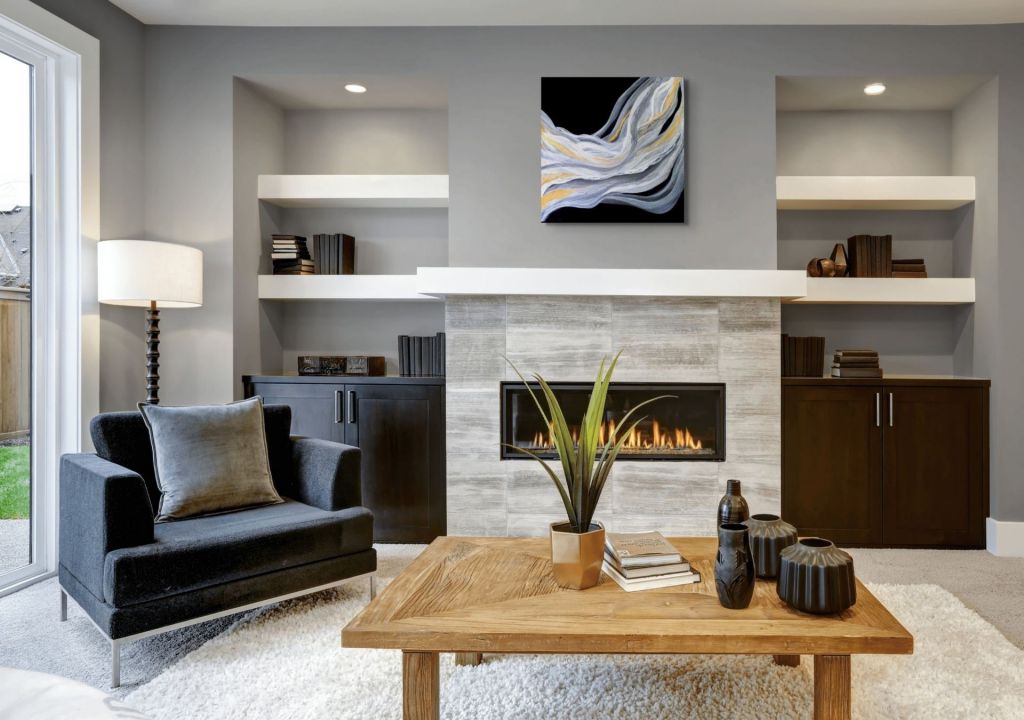
In my experience, abstract paintings work particularly well in living rooms, where they can serve as visual and functional focal points. In these spaces, a painting is not simply decorative; it unifies the interior and guides the eye.
A large, characterful piece naturally becomes a focal point — it anchors the space and defines its mood. A more restrained composition, on the other hand, gently frames the room, creating soft transitions between walls and furnishings while maintaining openness.
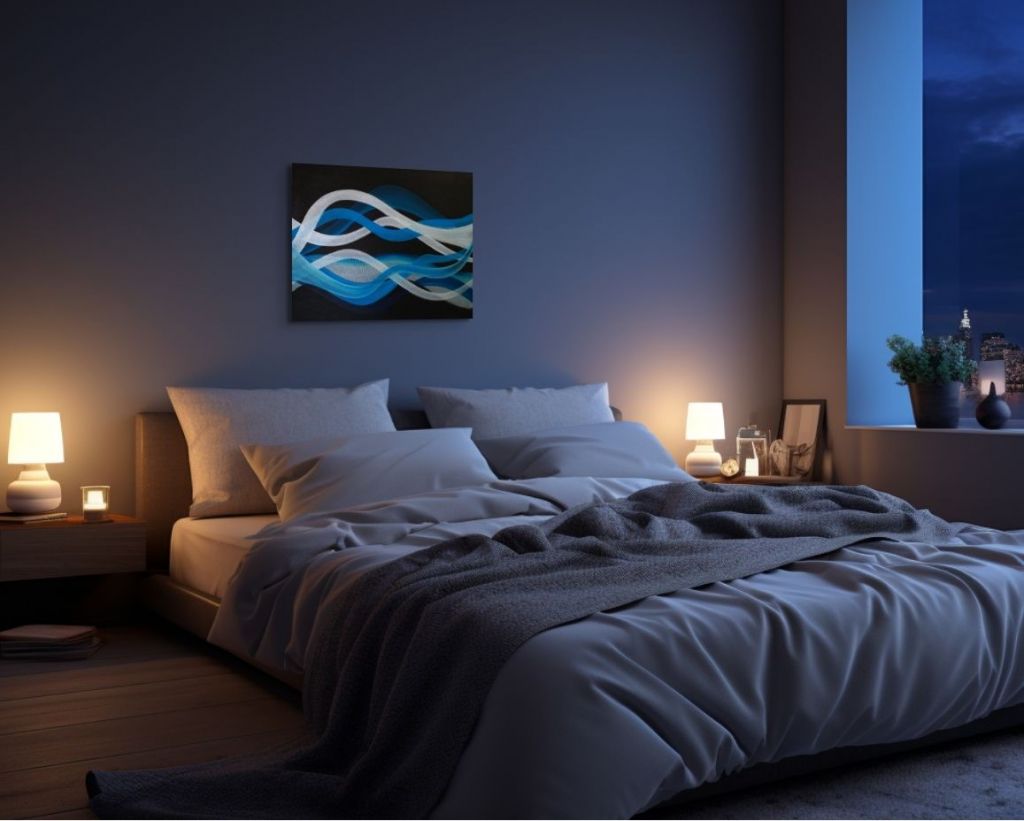
In bedrooms, abstract art fulfills a different role. Here, the aim is not emphasis but calmness and balance. Softer color palettes and harmonious compositions support relaxation and help create a space truly suited for rest.
Rhythm becomes particularly important: the repetition of forms, subtle color transitions, and the interplay of surfaces. A well-chosen abstract piece does not overstimulate; instead, it quietly supports a peaceful atmosphere.
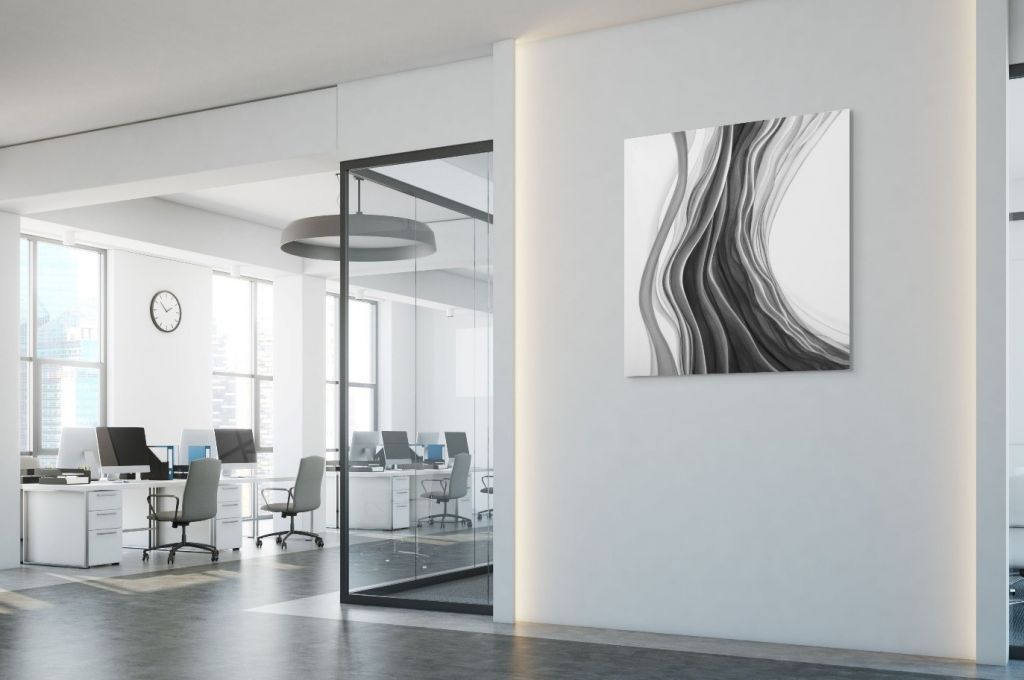
In offices and business environments, abstract art creates a professional yet inspiring atmosphere. Here, art must fulfill a dual role: conveying quality and refinement while not distracting from work.
Abstract paintings achieve this balance beautifully. They do not rely on literal messages, yet they influence the space. They introduce a subtle visual rhythm that supports concentration while providing an inspiring backdrop for thinking and productivity.
In business settings, it is especially important that the artwork is characterful without being overpowering. Abstract art communicates value with understated elegance, contributing to an atmosphere that is both professional and human-centered.
How to Choose an Abstract Painting?
Selecting an abstract painting is not primarily a rational decision. The first and most important consideration is your emotional response.
Does it stop you?
Do you return your gaze to it?
Does it raise questions within you?
After this comes consideration of the space. Size, wall color, and lighting conditions all influence how a painting will function. An abstract piece works best when it is not only beautiful on its own but also enters into dialogue with its surroundings.
Technique and surface matter as well. Texture adds depth. Layering introduces playfulness. Monochrome surfaces offer clarity. Each creates a different emotional effect.
What to Consider from a Professional Perspective
As an artist, I always advise paying attention to quality. The support material, the durability of paints, and the level of craftsmanship determine long-term value.
It is also important to choose a genuinely hand-painted artwork. The energy of a unique, handmade piece is fundamentally different from that of a mass-produced print. The presence of the artist can be felt.
If you are uncertain, seeking professional guidance is worthwhile. An artist can clearly see how a painting will function within a specific space and help avoid poor proportions or visual overload.
At the same time, premium-quality art prints offer an elegant and more accessible solution while faithfully conveying the atmosphere of the original works.
Abstract Painting as a Long-Term Value
Abstract art does not rely on quick impulses — and this is precisely why it becomes valuable over time. It is something you can live with for years.
As light changes, the surface reveals different aspects, subtly altering the mood of the space. For me, this living relationship is essential. An abstract painting does not merely decorate; it shapes the atmosphere of a room and becomes an elegant tool for spatial transformation and emotional expression.
Closing Thought
When we choose an abstract painting, we are not simply purchasing a decorative object. We are inviting a feeling into our home or office — a visual presence that exists alongside us.
I believe painting fulfills its purpose when true harmony develops between the artwork, the space, and the person living within it.
Abstract art offers precisely this possibility.