The World of 3D Wall Art — A New Dimension of Surface, Light, and Space
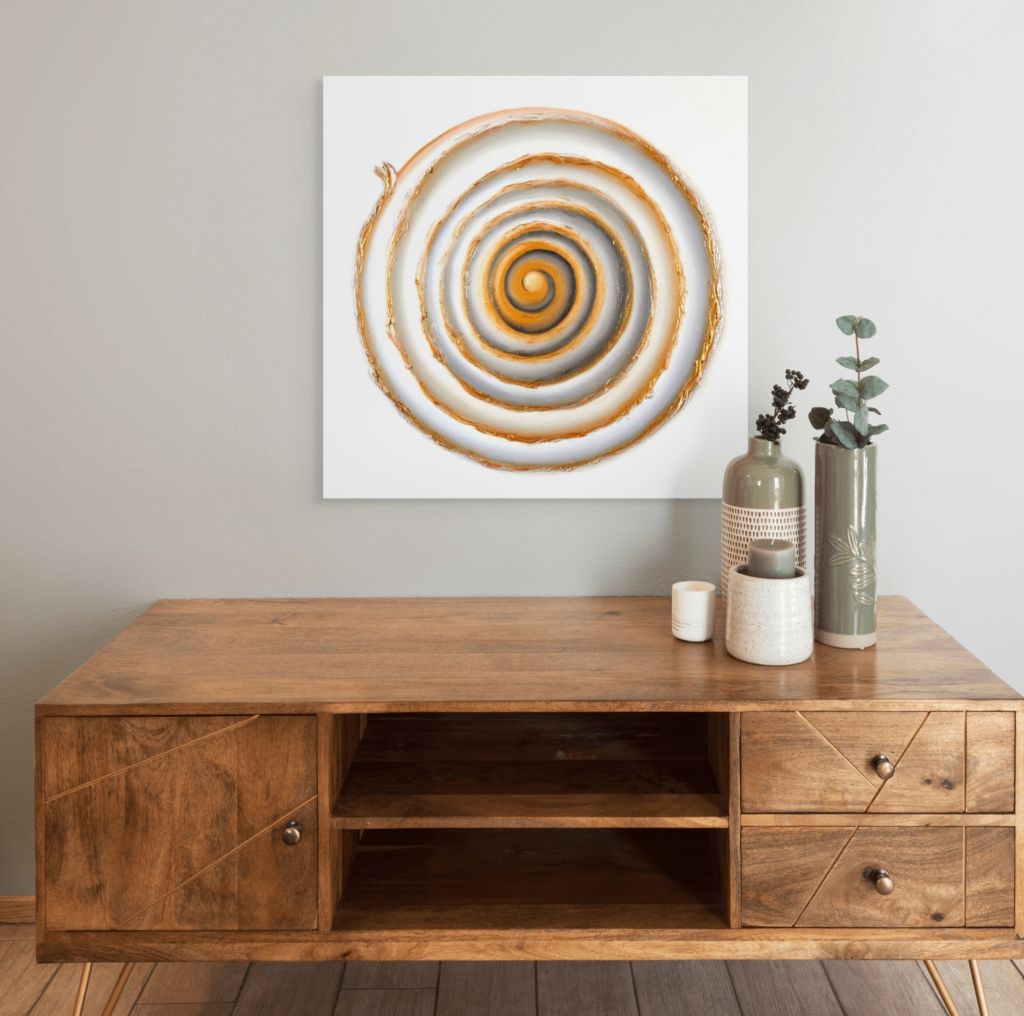
The emergence of 3D wall art has opened a new chapter in the relationship between contemporary painting and interior design. These works go beyond the boundaries of traditional flat painting, transforming the surface into a spatial experience. Such a piece is not only seen but also perceived: it responds to light, casts shadows, and continuously changes depending on the viewer’s perspective. For me, one of the most exciting areas of painting is the world of 3D paintings. Here, the canvas is not merely a surface but an integral part of the composition itself. Texture, layering, and physical depth together create a unique presence that brings the artwork to life within a space.
What Makes 3D Wall Art Unique
The foundation of 3D wall art lies in layering and texture. Paint is no longer applied as a thin surface but becomes a material that rises, takes shape, and enters into space. Various techniques and surface treatments allow the artwork to carry real depth. This physical presence is what fundamentally distinguishes 3D wall art from traditional paintings. Light does not fall evenly across the surface; instead, it breaks along raised elements, creating shadows and introducing constant movement. The artwork becomes dynamic rather than static. The essence of 3D art lies in its relationship with space. It embodies not only height and width but also depth, allowing the viewer to perceive it from multiple dimensions. In wall art, this depth is subtle yet defining — the surface itself becomes part of the space.
The Evolution and Contemporary Role of 3D Painting
Throughout the history of painting, there has always been a desire to represent depth. Classical art relied on illusion, using perspective and light to create a sense of space. Modern art, however, moved beyond illusion and began incorporating real physical depth. 3D wall art continues this approach. The goal is no longer to simulate depth but to create it through materiality. The thickness of paint, the structure of the surface, and the gestures of the artist all become essential elements of the composition. In contemporary interiors, this approach creates a particularly strong impact. In minimalist spaces, where visual elements are intentionally reduced, textured surfaces immediately bring life into the environment. The wall is no longer a passive background but an active, perceivable element.
Why Are 3D Wall Art Pieces Becoming Increasingly Popular?
One of the most important qualities of 3D wall art is that it offers more than a visual experience. The combination of texture, light, and shadow creates a complex sensory effect that goes beyond simple observation. Such an artwork adds depth to a flat surface. An empty wall gains character, a clean space acquires layers, and a restrained interior finds a new focal point — not in a loud way, but subtly and with clarity. Many people choose 3D wall art because they are looking for something distinctive. Not a conventional decoration, but a piece that has real presence. These works do not fade into the background; they remain in continuous dialogue with the space and those who inhabit it.
Where Do 3D Wall Art Pieces Work Best?
The 3D wall art performs especially well in spaces where light plays an important role. In living rooms, natural light changes throughout the day, continuously revealing new aspects of the surface. A textured piece can feel entirely different in the morning than it does in the evening. In modern, minimalist interiors, 3D artworks act as a subtle counterpoint. While furniture and surfaces tend to be smooth and uniform, the layered structure of the artwork introduces movement and visual depth. In offices and professional environments, 3D pieces create a refined balance, they convey both professionalism and creativity, they do not distract, yet they clearly communicate quality.
The Relationship Between Size and Space in 3D Art
In the case of 3D wall art, size plays an even more important role than in traditional painting. Texture can only fully express itself when it is given enough space. A large-scale 3D artwork can function almost as an architectural element. It does not simply hang on the wall; it shapes the perception of the entire space. The raised surfaces and shadows create depth that visually transforms the room.
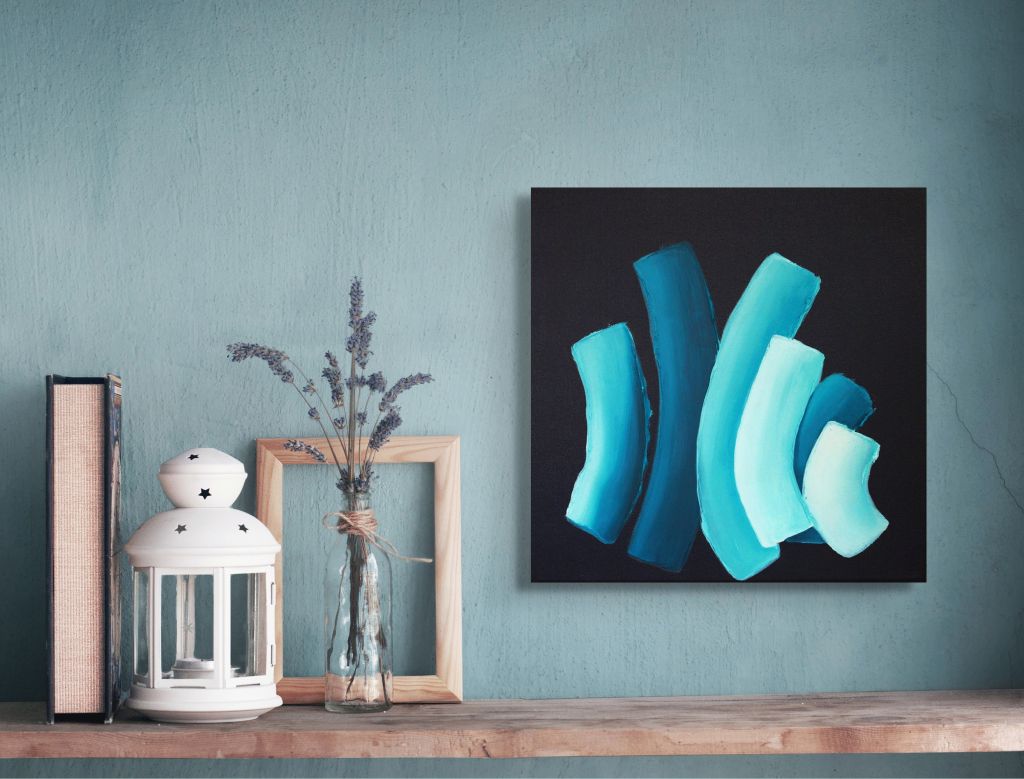
In smaller formats, the 3D effect becomes more intimate, and personal. It invites closer observation and reveals its details gradually. In such cases, the artwork offers a more personal experience rather than a dominant visual statement.
The Interaction of Color, Light, and Texture
One of the defining characteristics of 3D wall art is that color does not function independently but in interaction with the surface. A light tone behaves differently on a flat surface than on a raised structure. Light plays a crucial role. Light falling on a surface highlights textures, creates shadows, and gives the image a continuous sense of movement. This is what makes 3D artworks feel alive within a space.
Monochrome compositions are particularly powerful in this medium. A single color, expressed through varying depths and tones, is enough for texture alone to carry the visual experience.
What Should You Consider When Choosing a 3D Wall Art Piece?
When selecting a 3D wall artwork, quality is essential. The materials used, the stability of the layers, and the precision of execution all determine the longevity of the piece. The characteristics of the space are equally important. The direction of light, the size of the wall, and the surrounding surfaces all influence how the texture will be perceived. It is also important that the artwork does not only stand out on its own but integrates harmoniously into its environment. A 3D wall piece works best when it becomes part of the space.
3D Wall Art as a Long-Term Visual Experience
One of the greatest values of 3D wall art is that it does not become ordinary over time. With changing light conditions, different viewing angles, and the passage of time, it continuously reveals new aspects of itself. Such a piece is not a one-time visual experience but an ongoing presence. It does not merely decorate a wall; it shapes the atmosphere of a space and remains inspiring in the long term.
My Closing Thought
For me, 3D wall art represents one of the purest forms of connection between painting and space. These are works that do not simply exist — they interact with their surroundings. The surface is no longer a boundary, but a possibility.
If you would like to experience art that lives within a a pace, among my 3D wall art pieces, you will find unique, ready-made artworks that are prepared to continue their story in a new environment. If, however, you are looking for a piece that perfectly fits a specific wall, size, or interior, I am also happy to create a custom artwork based on your individual needs.
If you would like to find the piece that truly becomes part of your space, I invite you to explore my collection or get in touch.